La Laguna
La Laguna
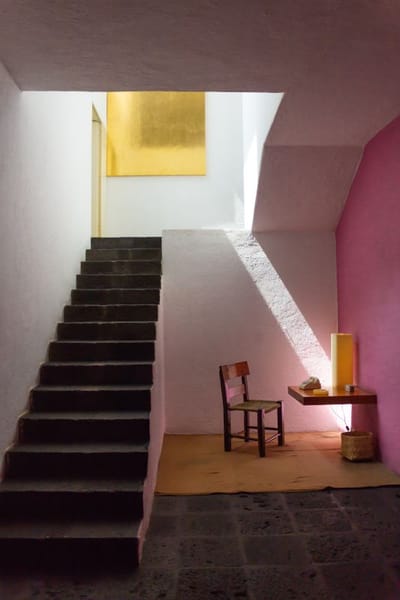
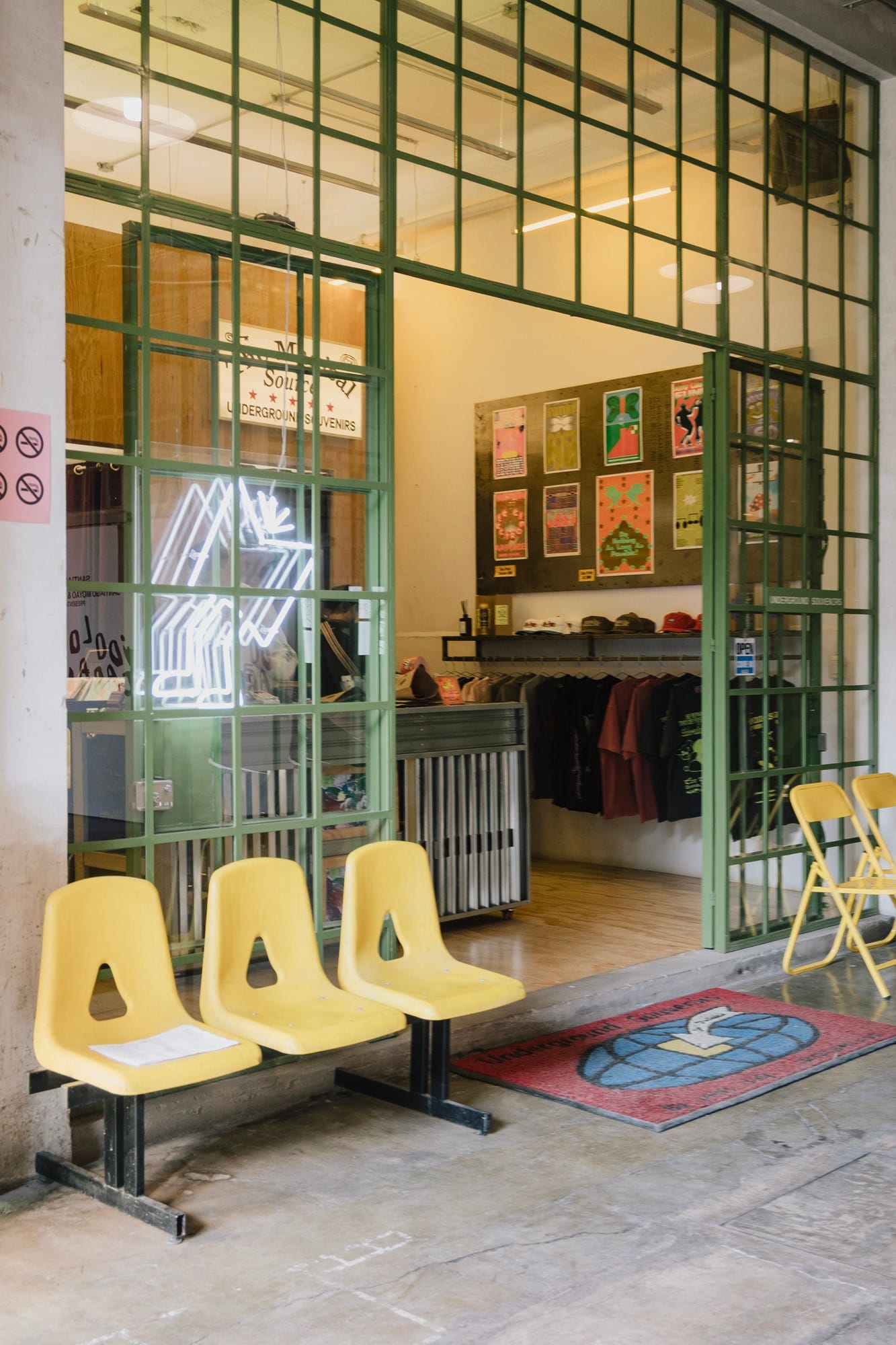
A repurposed former textile factory in Mexico City that now hosts creative studios, offices, and cafes
5 people recommend this
Recommended by
 LeslieFirst to rec
“i feel like every city has a place like this - like the ROW in DTLA, or Industry City in Brooklyn. but Laguna is the best version of it, one that actually feels like it a haven for a thriving creative community.”
3 Emily Teague
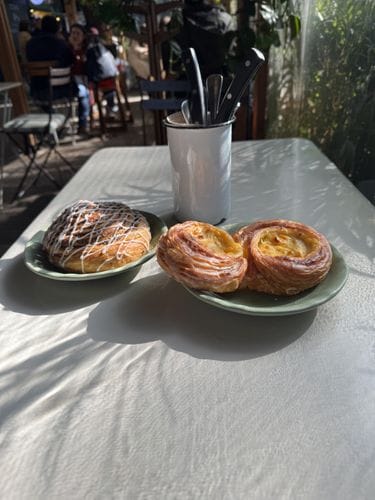
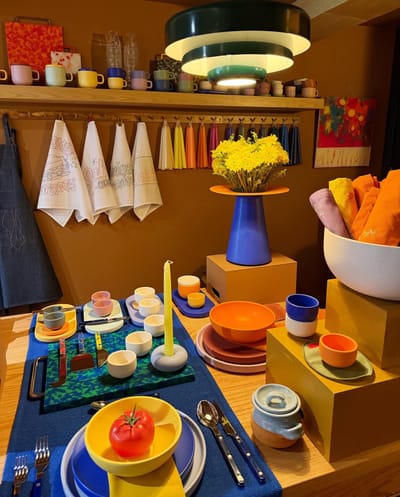
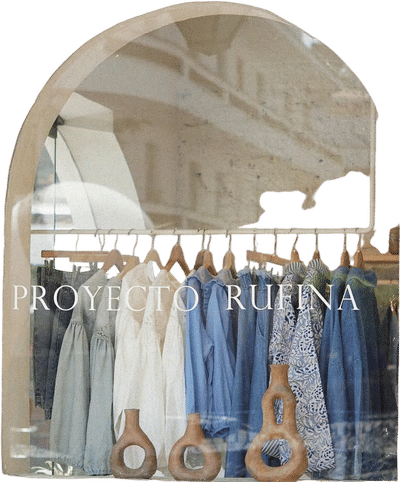
“Laguna is a beautifully restored industrial space in CDMX filled with design studios, shops, and creative energy that feels really grounded in the city’s contemporary scene. It’s a great place to wander, get inspired, and stop for really good coffee or a meal while taking in local design talent”
1913 xdudx
xdudx“Check out the Café and tiny Tea shop”
41 Cool Your Jets
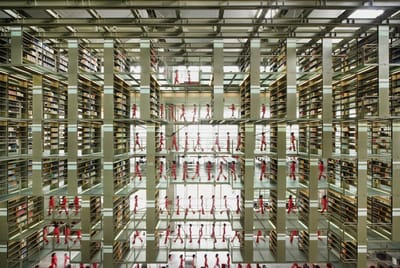
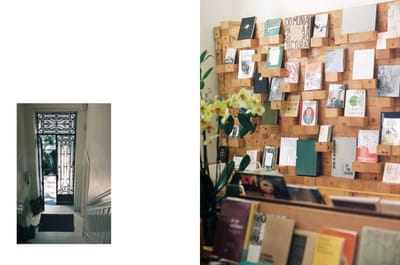
“Laguna is what collective dreams are made of! A full compound brimming with creative energy from ceramicists, architects, furniture designers, wine, coffee, riso, architectural book stores and cute cafes. Plan to spend a full afternoon bopping around or even better plan ahead and catch a lecture or show opening.”
1 Juliet Blehm
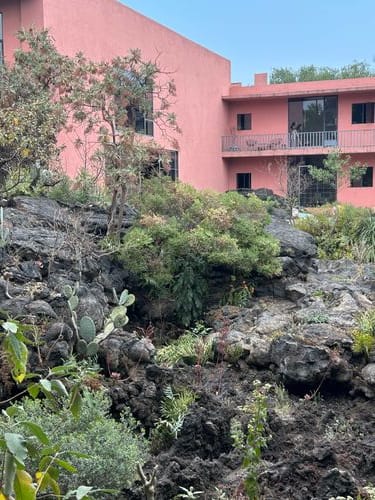
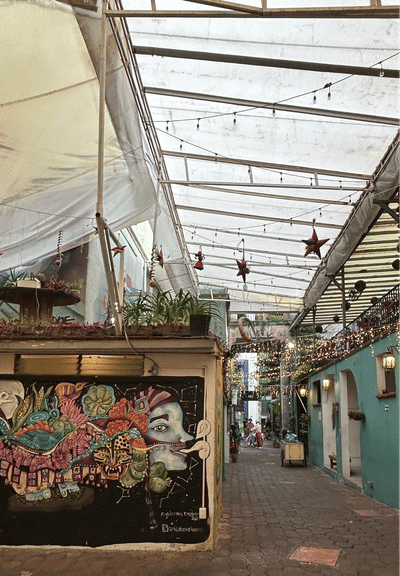
“Old structures falling into disrepair can be reinvigorated through adaptive reuse, transforming vacant structures into thriving cultural centers. One of my favorite buildings that has been repurposed so is La Laguna, located in CDMX. A former textiles and yarn factory, it now hosts a multitude of cafes, studios, exhibition spaces, and independent shops. With a large courtyard in the middle and sprawling spaces throughout, the former factory adapted to its new functions skillfully, offering plenty of space and comfortability for businesses. The best part about the space, in my opinion, is the individuality of the architecture. La Laguna is characterized by glimmering lead windows, exposed pipes and hardware, elevated ceilings, and raw materials. Though reclaimed, the sanctity and authenticity of the original building has been preserved, leading to an alluring contrast between industrial and polished; functional and decorative; and dilapidated and renewed. The structure's history, unhidden, seeps through its every pore - and thank goodness! What an experience it is to be exposed to what once was and what is now, all blurred into one. La Laguna successfully blends historical eras and cultural needs into one, making it a monumental example of how cities can continue to be restructured moving forward. As honorable mentions, I would suggest looking into Manifattura Tabacchi, a tobacco factory turned cultural center, and Murate Art District, a prison turned art exhibition space, both located in Florence, Italy.”